
Electronic Scrap Recycling
What does Interco's electronic scrap recycling service offer your business?
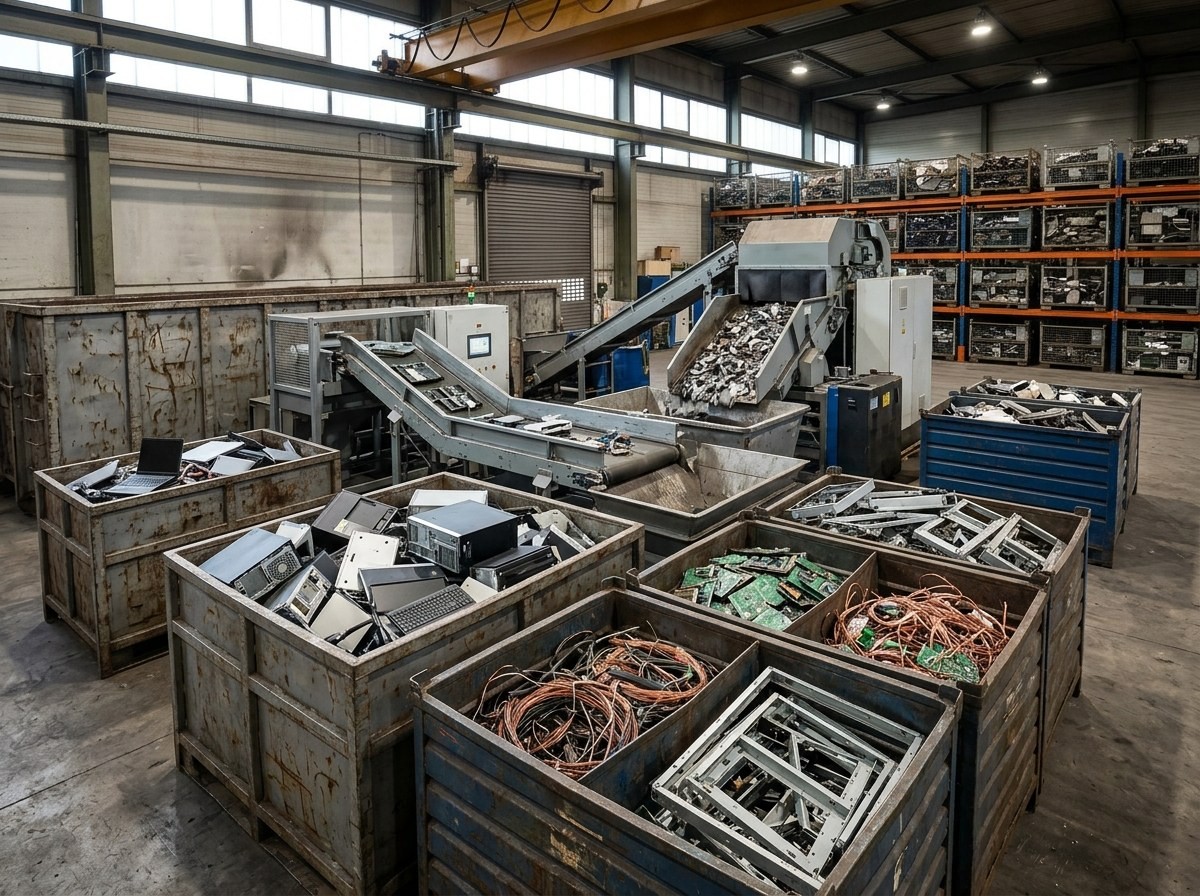
Interco's electronic scrap recycling service helps businesses turn retired equipment into organized material recovery projects. Interco works with companies managing equipment replacements, accumulated components, and ongoing electronics scrap streams. Start by telling Interco what you have, where it is stored, and when it needs to move.
Electronic scrap, often called escrap, includes discarded electronic equipment and components. Interco's approach considers material composition, batteries, stored information, and processing needs rather than treating every load alike.
Whether you manage one facility or several locations, Interco helps define the proposed shipment and next steps. Interco's information about computers and electronics recycling explains why separating equipment into appropriate material categories matters. Request a quote with an inventory and photographs so Interco can review your actual project.
Why should your company plan ewaste recycling before equipment accumulates?
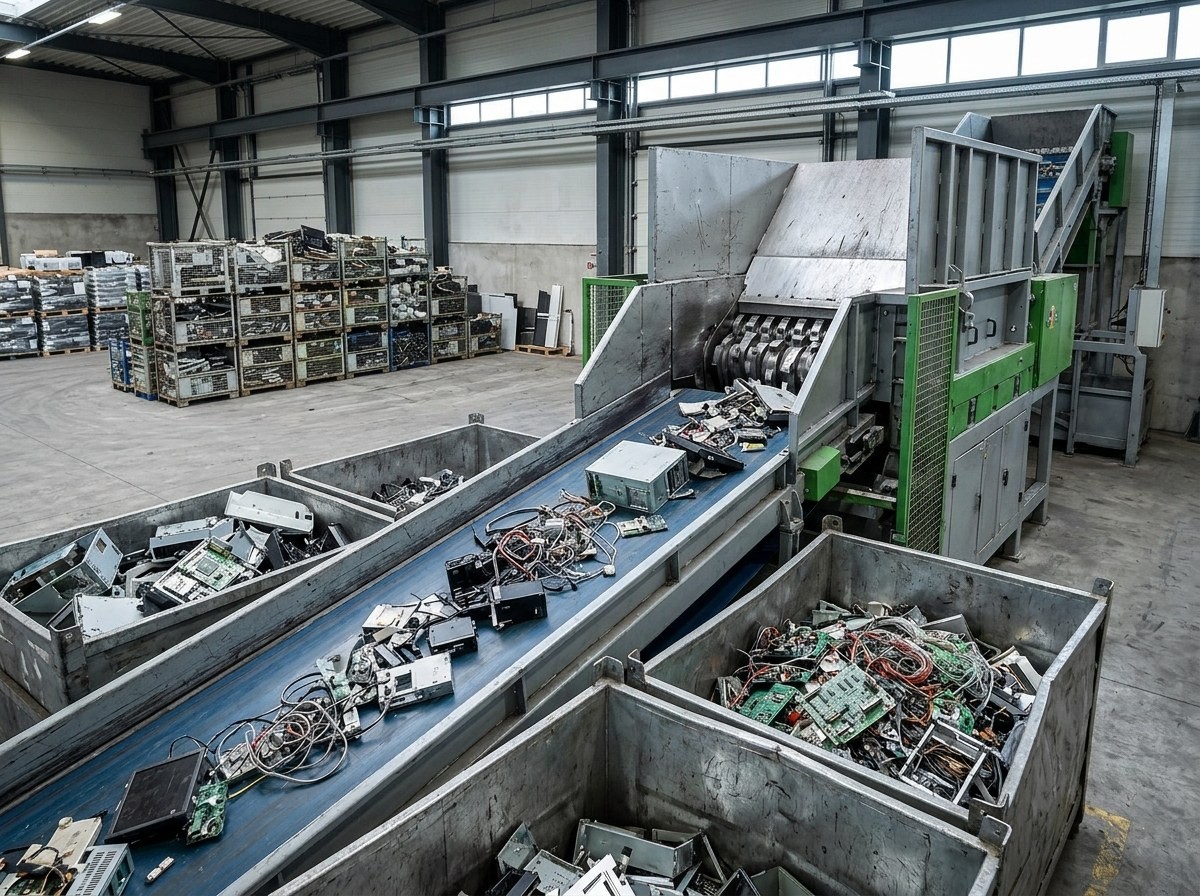
Planning ewaste recycling gives your company a clear path for retiring equipment instead of leaving decisions until storage space runs out. Assign responsibility for the inventory, establish internal approvals, and identify equipment that contains batteries or business information.
The scale of electronic waste makes organized collection important. According to the International Telecommunication Union's 2024 electronic waste findings, the world generated 62 million tonnes of electronic waste in 2022. Only 22.3 percent of that year's mass was documented as properly collected and recycled. These figures cover global electronic waste, not Interco's operations.
For your business, the next step can be straightforward: identify what is ready for retirement and discuss its handling before arranging transportation.
Which scrap electronics should you include in your inventory?
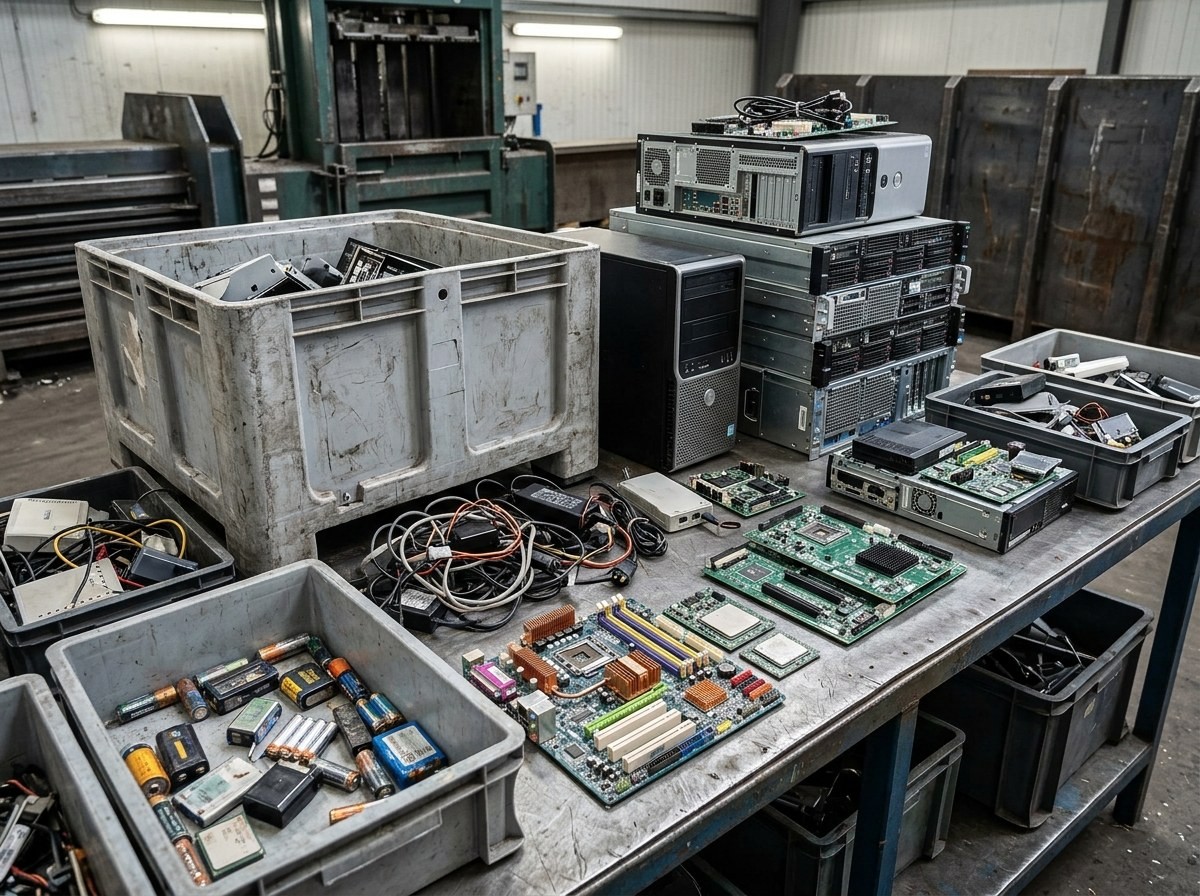
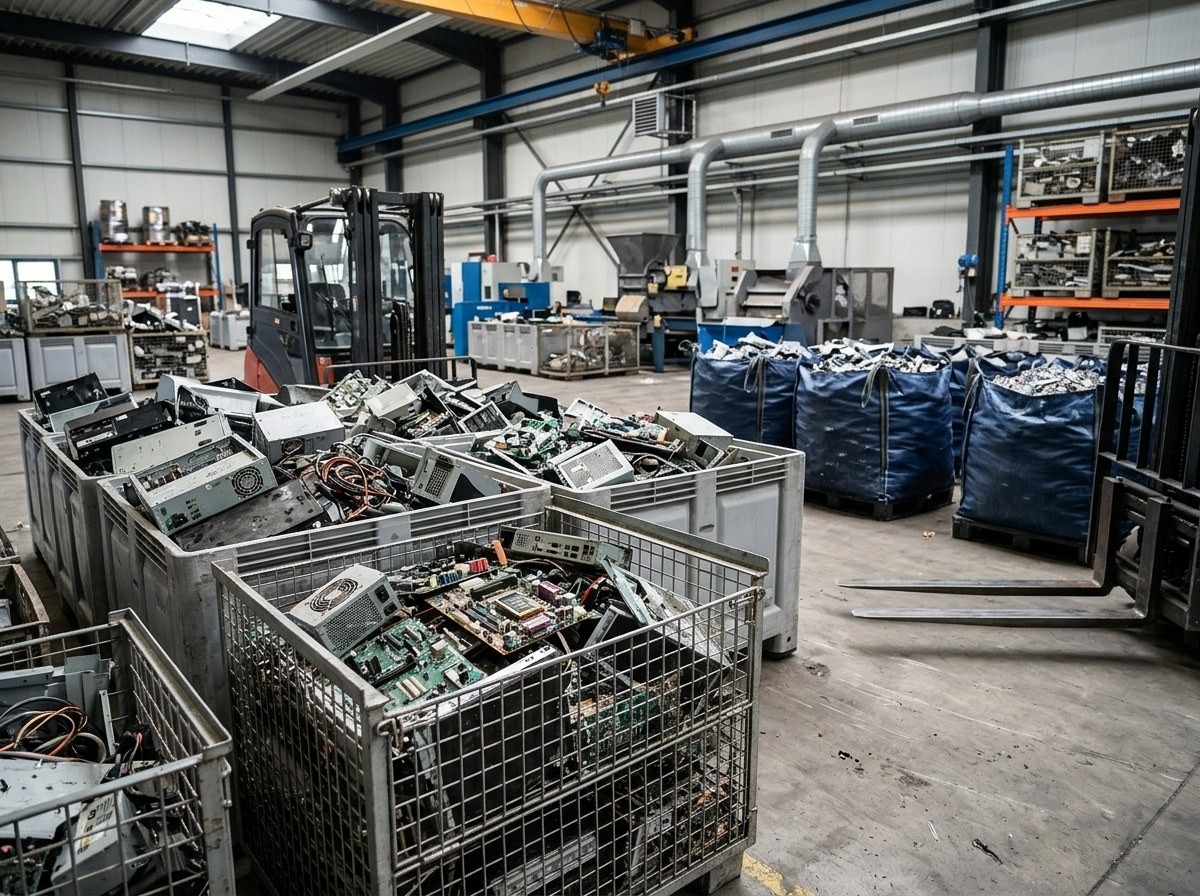
Include complete devices, loose components, and accompanying accessories when describing scrap electronics for review. Separate descriptions help Interco understand the load without assuming every item has the same composition, condition, or handling needs.
- Computers and servers: List quantities, models where available, and whether equipment is complete.
- Circuit boards and components: Identify motherboards, server boards, processors, and other loose parts.
- Power equipment and accessories: Describe adapters, power supplies, wiring, and accompanying cables.
- Batteries and battery-bearing devices: Identify known battery types and flag visible damage.
Photographs are useful when labels are missing or material is mixed. Interco's electronics and precious metal recycling services include consideration of precious-metal-bearing circuit boards. Confirm the acceptance and commercial terms for your particular materials before preparing a shipment.
How do you start an escrap recycling project with Interco?
Start an escrap recycling project by sharing your inventory and confirming the proposed service before dispatch. Clear preparation gives both teams the information needed to discuss material handling, transportation, and transaction records.
- Describe the material: Provide equipment types, estimated quantities or weights, condition notes, and photographs.
- Explain your requirements: Identify batteries, stored information, removal deadlines, and documentation expectations.
- Review the quote: Confirm material scope, preparation responsibilities, freight arrangements, and commercial terms.
- Coordinate shipment: Follow the agreed instructions and update Interco if the contents change.
Keep a copy of the inventory your team approved for release. Identify estimates as estimates rather than presenting them as measured weights. If additional equipment enters the project, tell Interco before loading so the shipment plan reflects what will actually arrive.
How should batteries be addressed in an electronics recycling shipment?
Batteries should be identified before shipment so their condition and handling needs can be reviewed separately from other electronics. Tell Interco whether batteries are loose, installed in devices, or of unknown chemistry. Report swelling, leakage, or other visible damage before moving or packing affected equipment.
The United States Environmental Protection Agency states, "Lithium-ion batteries and devices containing these batteries should NOT go in household garbage or recycling bins." Its used lithium-ion battery guidance explains the fire risks associated with improper handling.
Do not assume that instructions for ordinary scrap electronics also apply to every battery. Ask Interco to confirm acceptance, preparation, and transportation requirements for your load. Avoid unnecessary dismantling, and follow manufacturer warnings when equipment contains batteries that are not user-removable.
Is Interco R2 certified and approved for Appendix B?
Yes, Interco is a Responsible Recycling (R2) certified company, approved for Appendix B at Interco's electronics recycling facility in Edwardsville, Illinois. This facility-specific qualification matters when your project includes equipment that stores business information.
Appendix B addresses data sanitization, meaning processes used to make stored information inaccessible. Interco's published electronics handling and certification information identifies this approval and explains why data-bearing equipment needs an agreed handling plan.
Before releasing computers, servers, or storage devices, tell Interco what information-handling requirements your organization has established. Confirm the applicable treatment and documentation during project review. Certification does not replace clear instructions about your equipment. Ask which services apply to your shipment rather than assuming that material recycling automatically includes every data-related service or record.
Can Interco's logistics team arrange shipping across the contiguous United States?
Yes, Interco is able to ship anywhere in the contiguous United States, with arrangements confirmed for the material and location involved. Interco's great logistics team coordinates transportation details alongside receiving and processing needs, helping connect your equipment retirement schedule with practical shipment arrangements.
Provide the collection address, operating hours, estimated load size, and available loading equipment. Explain whether material is boxed, palletized, or still awaiting preparation. Mention appointment requirements, restricted access, and other conditions that could affect loading.
For multiple locations, describe each site separately rather than supplying only a combined quantity. Confirm packaging responsibilities, transportation costs, and scheduling during quote review. Good logistics starts with accurate information, so let Interco know promptly if your inventory, readiness date, or site conditions change.
How does Interco's proprietary ERP support recycling records?
Interco's proprietary enterprise resource planning (ERP) platform brings shipment, processing, and transaction information into one operational system. It supports records across the shipment lifecycle rather than relying on disconnected notes or separate descriptions of the same material.
As described in Interco's electronics processing and shipment tracking overview, the platform captures inbound weights, material classifications, processing stages, compliance checkpoints, and financial settlements. This helps maintain visibility as different material categories move through the operation.
Tell Interco which records your purchasing, accounting, or environmental team needs before shipping. Ask how those requirements fit your transaction and when applicable documentation will be available. Keep your own shipment references consistent, too. A clear reference helps both teams discuss receiving information, material classifications, or settlement questions without confusing separate loads.
What information helps Interco prepare your electronic scrap recycling quote?
A useful electronic scrap recycling quote starts with a clear description of your material, location, and required services. You do not need perfect information to begin, but distinguish confirmed details from estimates and identify anything that still needs review.
- Material details: Share equipment types, quantities, estimated weights, photographs, and known condition concerns.
- Project requirements: Explain battery content, stored information, internal approvals, and requested documentation.
- Shipment details: Provide collection locations, packaging status, loading access, and preferred timing.
Let Interco know whether you need a one-time cleanout or recurring escrap recycling support. Interco can discuss the proposed scope and commercial terms around your actual load. Request a quote from Interco to move your ewaste recycling project forward with clear responsibilities and agreed next steps.