
Intermodal Shipping Container
What is an intermodal shipping container?
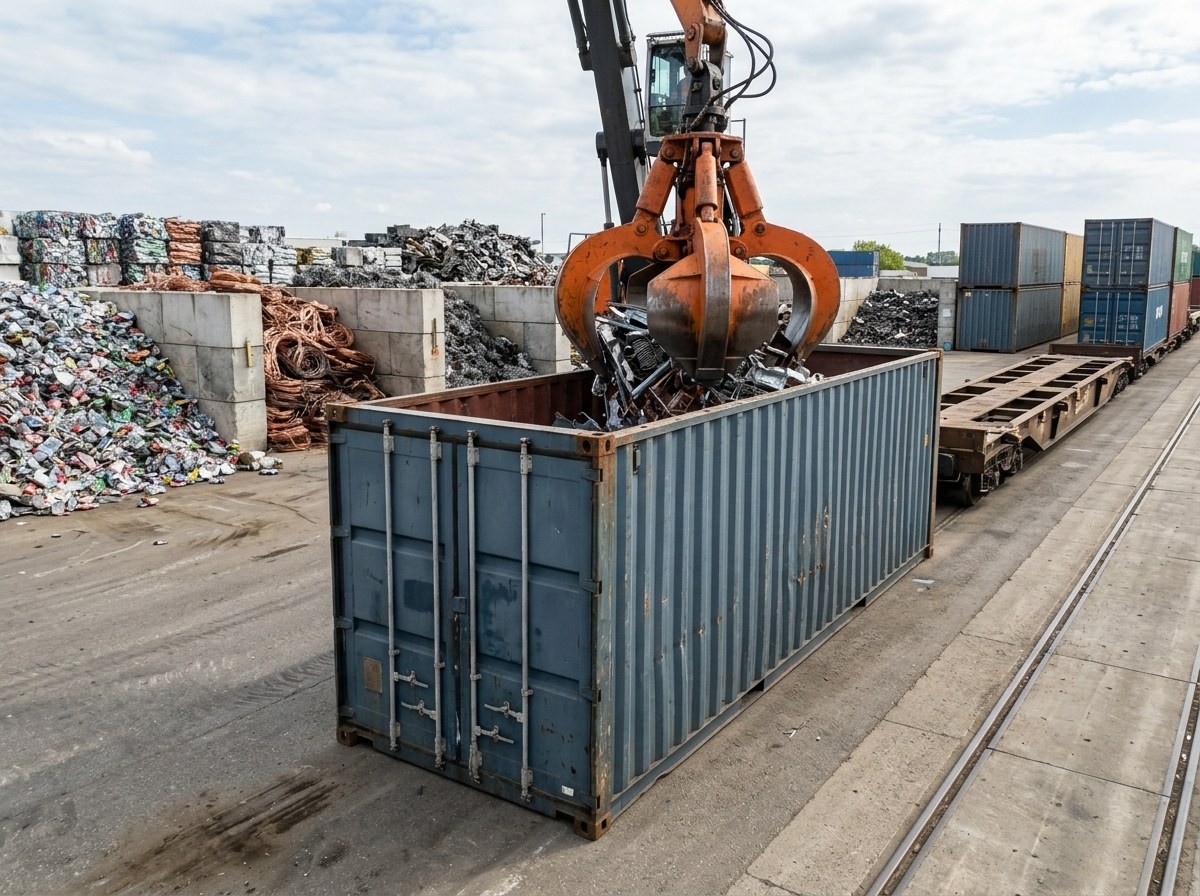
An intermodal shipping container holds freight as it moves between different forms of transportation, such as trucks, trains, and ships. For businesses moving recyclable metals, the container connects material preparation with transportation planning.
The Intermodal Association of North America explains, "Intermodal is the movement of cargo in shipping containers or trailers by more than one mode of transportation." Its intermodal transportation fact sheet provides that definition.
Start your inquiry by describing the material you need to move, its estimated weight, and its location. Tell Interco whether you are selling scrap for processing or arranging delivery of prepared material. Those details help establish whether intermodal container shipping fits the transaction before equipment, schedules, or freight terms are agreed.
How does container shipping support your metal recycling needs?
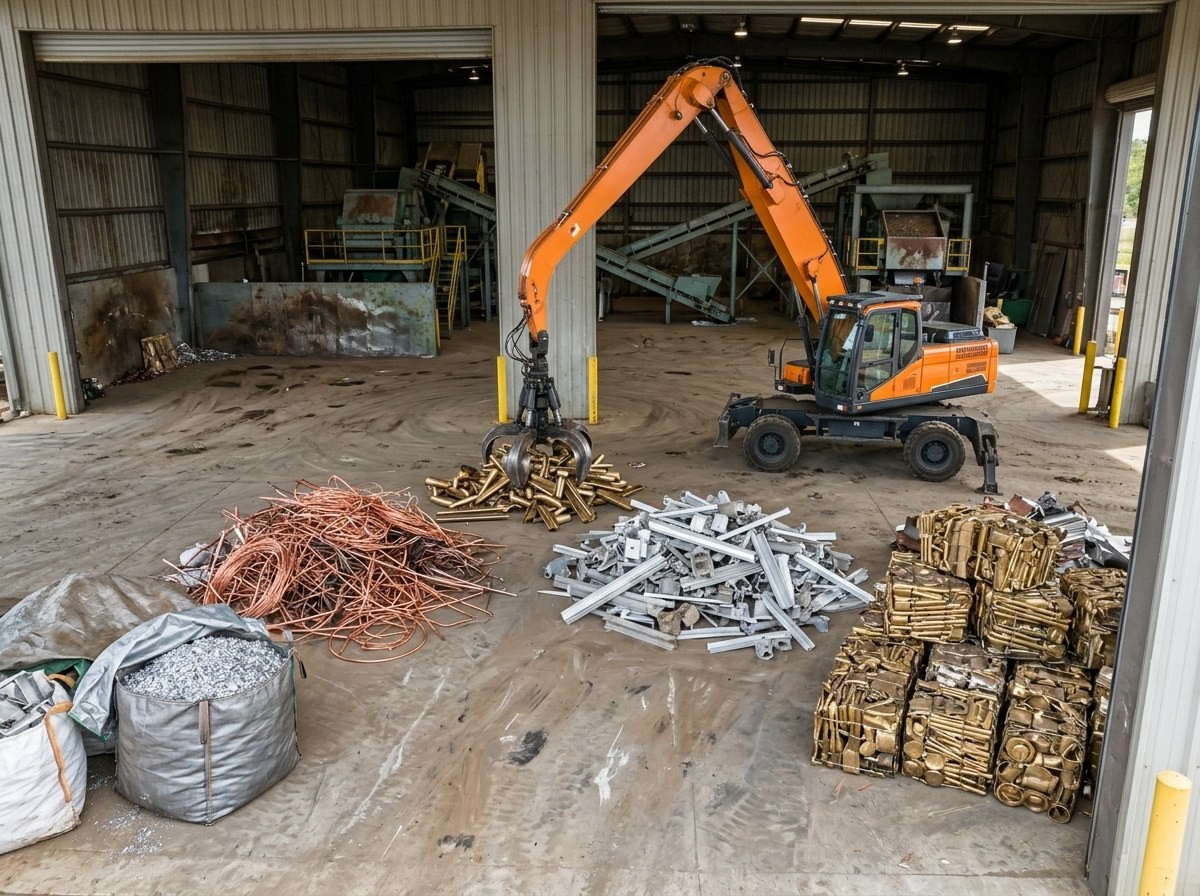
Container shipping supports your recycling project by connecting material collection, processing, and delivery within an agreed transportation plan. Interco's work includes purchasing and processing nonferrous metals, meaning metals such as copper and aluminum rather than iron-based scrap.
Describe your material in practical terms instead of relying on a broad label like mixed metal. Useful details include:
- Metal type, physical form, and any available composition information.
- Estimated weight, package count, and whether material is loose or bundled.
- Attachments, coatings, moisture, or other conditions visible in photographs.
Ask Interco to confirm acceptance and preparation requirements before combining materials. Keep separate grades identifiable during your inquiry. A clear description gives Interco's team a better starting point for discussing recovery, commercial terms, and the appropriate shipping arrangement.
When should you consider intermodal freight transport?
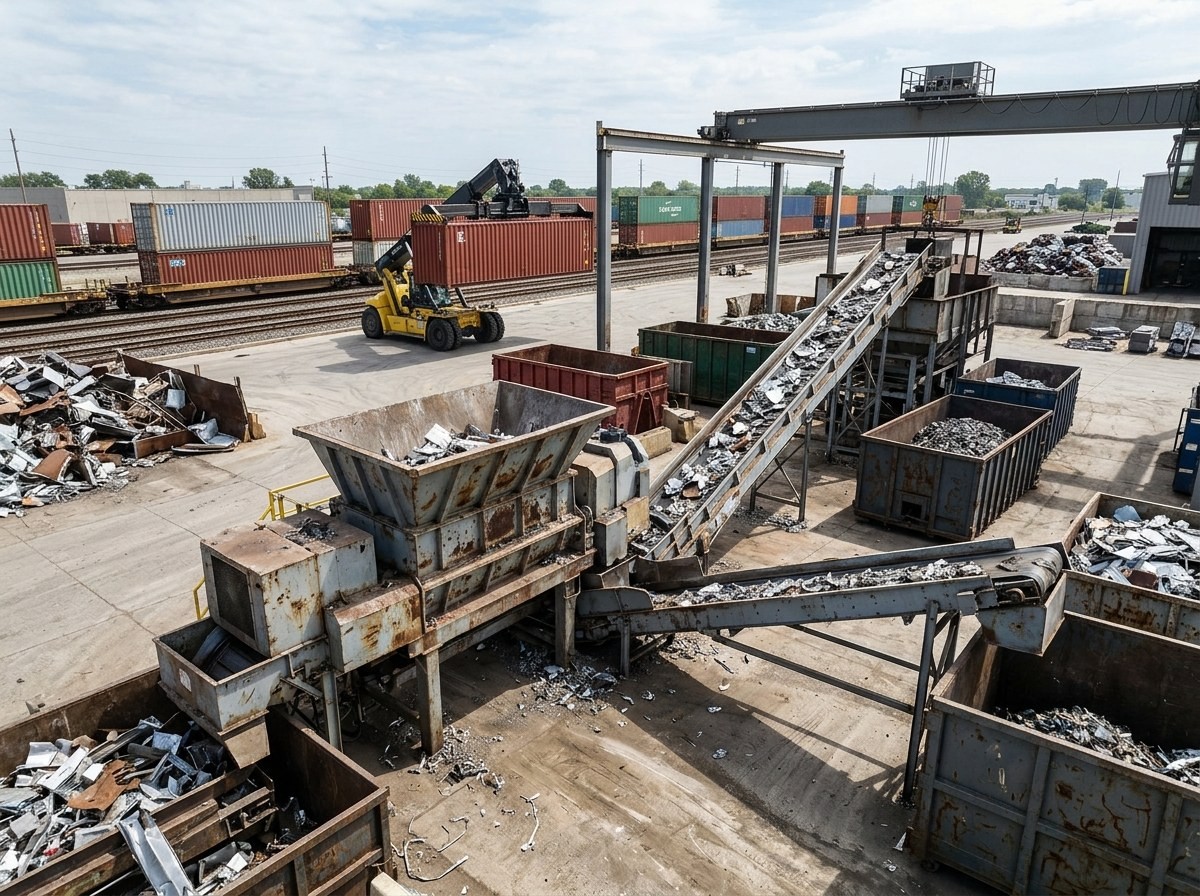
Consider intermodal freight transport when your shipment's route, volume, and delivery requirements allow more than one transportation method. Ask Interco to assess the actual load rather than assuming rail is always cheaper or faster.
The Association of American Railroads reported 14.06 million U.S. intermodal containers and trailers in 2025, up 1.5% from 2024. These originated-unit figures exclude the U.S. operations of Canadian National Railway, Canadian Pacific Kansas City, and Grupo Mexico Transportes. See its January 2026 Rail Industry Overview.
That national activity shows the scale of intermodal transportation, not a promised outcome for your shipment. Share your readiness date, required delivery window, and scheduling flexibility so Interco can discuss an arrangement suited to your recycling transaction.
How does Interco's logistics team coordinate your shipment?
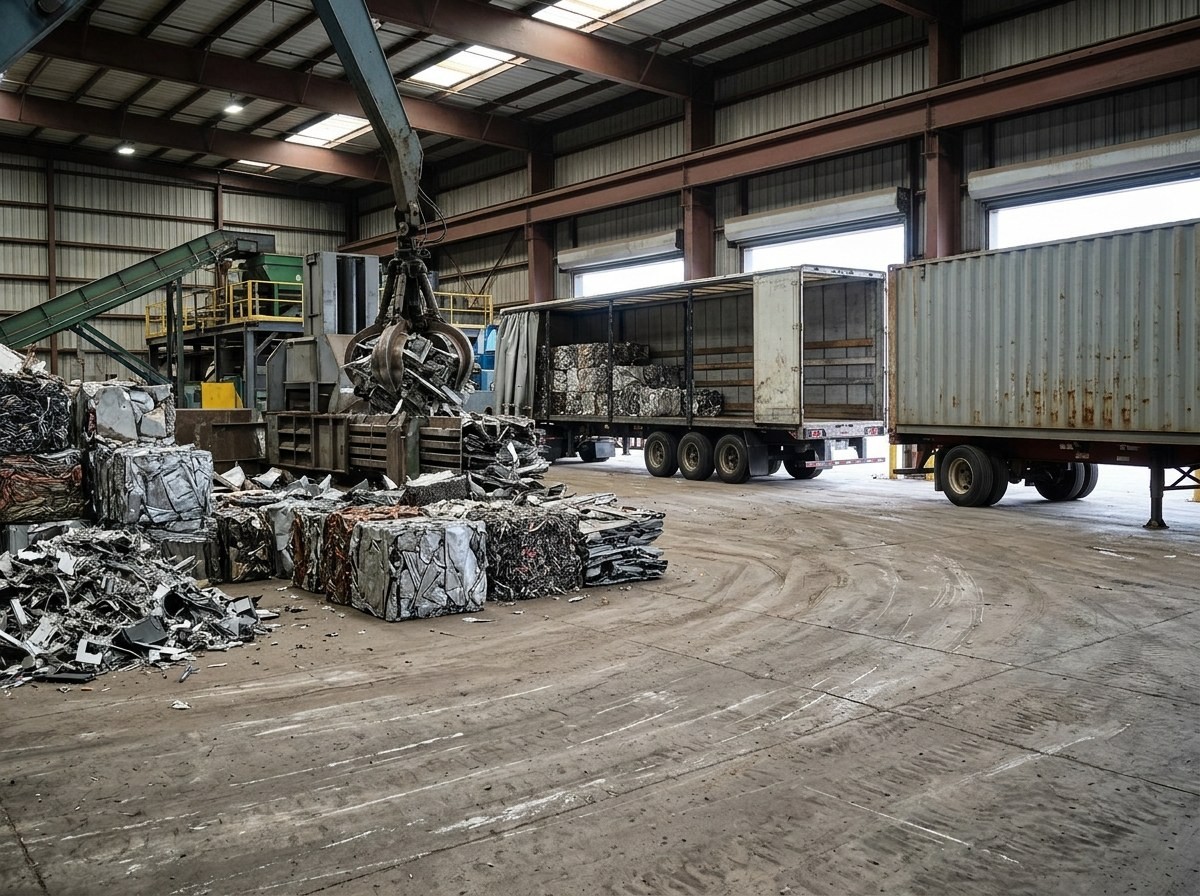
Interco's great logistics team coordinates freight arrangements, shipment documentation, and communication between the people preparing and receiving your material. Interco's domestic and international logistics services include coordinating loads, weighing arrangements, and freight paperwork for suppliers and customers.
For container movements, ask which transportation stages apply to your shipment. Drayage means the truck movement connecting a site with a rail terminal or port. It is one part of the journey, not another name for the entire shipment.
Give Interco's team a site contact, operating hours, loading access details, and any appointment requirements. Explain restrictions before scheduling. If your material readiness changes, notify Interco before equipment is dispatched. Keep proposed dates separate from confirmed arrangements so everyone works from the same expectations.
What should you confirm before loading a container?
Confirm material acceptance, packaging, loading responsibilities, and documentation requirements before loading an intermodal shipping container. Do not assume that an available container is suitable for every material or shipment weight.
Use these checkpoints to prepare for your planning discussion:
- Describe the material and disclose attachments, residues, or unusual conditions.
- Provide estimated weights, package dimensions, and photographs of the prepared load.
- Explain available loading equipment, dock access, and site restrictions.
- Confirm the loading plan, required records, and agreed pickup arrangements.
Ask what preparation is necessary before changing how your scrap is stored or packaged. Identify estimates clearly and update them when better information becomes available. For recurring shipments, tell Interco when the material mix or package size changes rather than treating an earlier arrangement as automatic approval.
Which shipment records should you prepare?
Prepare a consistent material description, packing information, weight records, and any loading photographs required for your shipment. Shipping container logistics works best when the physical load and its paperwork describe the same material.
Organize your records around three practical checks:
- Identity: Match the shipment reference, material description, and container identification where applicable.
- Quantity: Distinguish estimated weights from scale weights and identify package counts clearly.
- Condition: Retain requested photographs showing the container, loading stages, and door seal.
Interco's logistics services include coordinating packing lists, scale tickets, and loading photo documentation. Ask which records your particular movement requires and who will supply them. Explain any purchasing or accounting requirements before dispatch so documentation expectations can be reviewed alongside the transportation plan.
Can Interco arrange shipping throughout the contiguous United States?
Yes, Interco can arrange shipping anywhere in the contiguous United States, with the transportation method and shipment details confirmed during planning. Nationwide reach does not mean every load follows the same route or uses intermodal service.
Interco's freight coordination services help connect shipment preparation with pickup and delivery arrangements. Provide the shipping location, destination when known, expected quantity, and preferred timing.
For multiple locations, identify each site's loading conditions separately. A warehouse with a dock may need different arrangements from a yard with limited access. Tell Interco whether the project involves a one-time removal or a recurring material stream. Request a quote based on those actual conditions, and ask Interco to clarify freight responsibilities before releasing the load.
How does Interco's proprietary ERP support shipment records?
Interco's proprietary enterprise resource planning (ERP) platform connects material movements, weights, classifications, and transaction information within Interco's recycling operation. It supports the operational records behind receiving, processing, inventory management, and settlement.
For your team, the important step is defining which information the transaction requires. Explain whether purchasing needs shipment references, accounting needs settlement details, or an environmental team needs particular material records. Ask which documentation is available for the agreed service scope.
Keep your own shipment references consistent across the quote request, packing information, and subsequent questions. Do not assume operational tracking includes a customer portal or a particular reporting package unless confirmed. Technology supports the work of Interco's team, while clear material descriptions and agreed documentation requirements keep the transaction understandable for both sides.
How can you request an intermodal container shipping quote?
Request an intermodal container shipping quote by sharing your material description, estimated quantity, shipping location, and preferred schedule. Include clear photographs and identify any information that still needs confirmation.
Explain whether you need transportation for incoming recyclable metals or outgoing prepared material. Describe package sizes, loading equipment, access restrictions, and any firm deadlines. For recurring shipments, include expected frequency and variations in volume.
Ask Interco to clarify the proposed transportation method, freight responsibilities, material evaluation, and settlement terms. Review those details together rather than comparing a freight figure without its assumptions. Interco's goal is to connect your recycling needs with a practical shipment plan. Send your project details to request a quote and begin discussing the appropriate next steps with Interco's team.