
Recycling Aerospace Scrap
How does recycling aerospace scrap work?
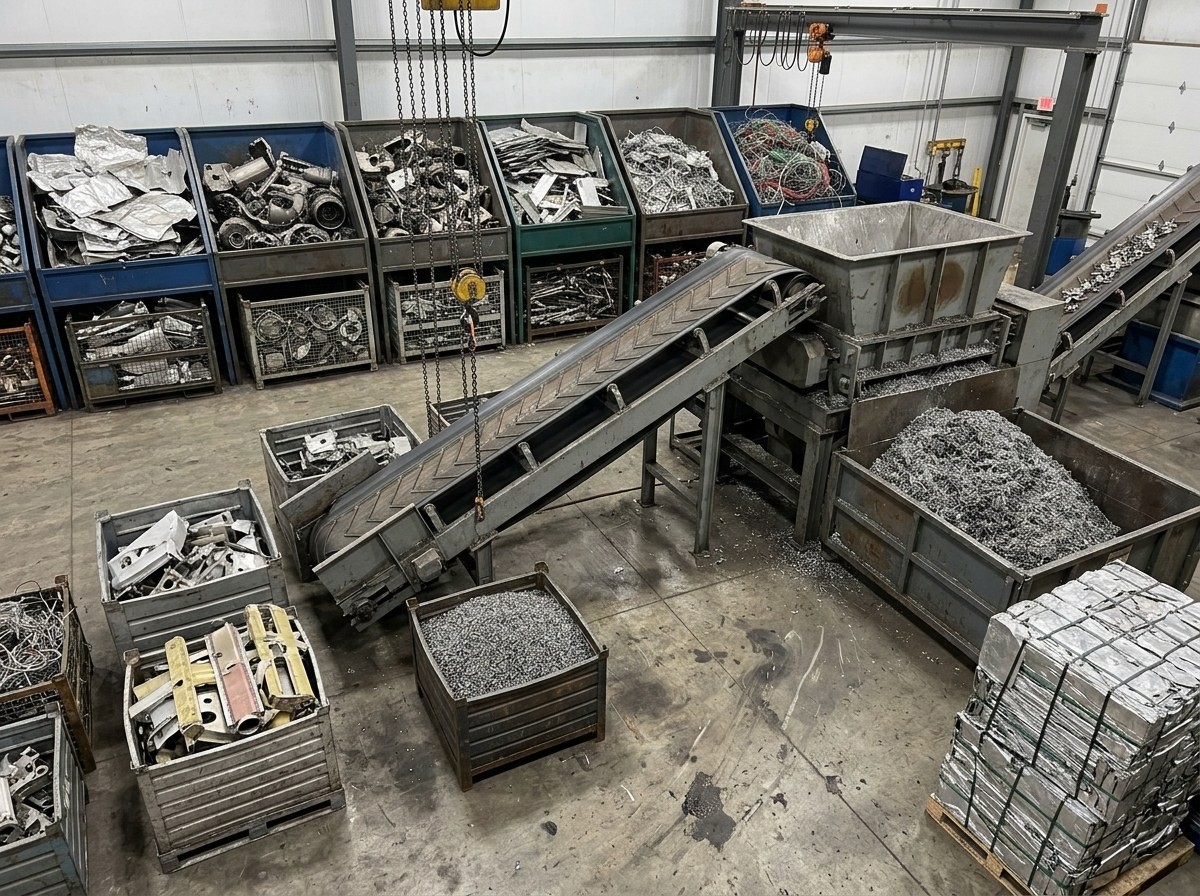
Recycling aerospace scrap turns surplus metal, production leftovers, and retired metal components into material prepared for industrial reuse. Interco buys, sorts, grades, and processes aerospace metals, matching their composition and condition with the requirements of smelters, refineries, and mills.
For manufacturers, maintenance operations, and parts suppliers, the starting point is understanding what each load contains. A shipment may include recognizable aluminum sheet, mixed machining chips, or assemblies made from several metals. Each requires a different evaluation and preparation approach.
Interco's nonferrous metals recycling services focus on recovering metal value without treating every component as the same commodity. Share your material descriptions, available alloy records, and estimated quantities so Interco can discuss acceptance, processing needs, and a quote suited to your aerospace scrap.
Which aerospace metals can Interco evaluates for recycling?
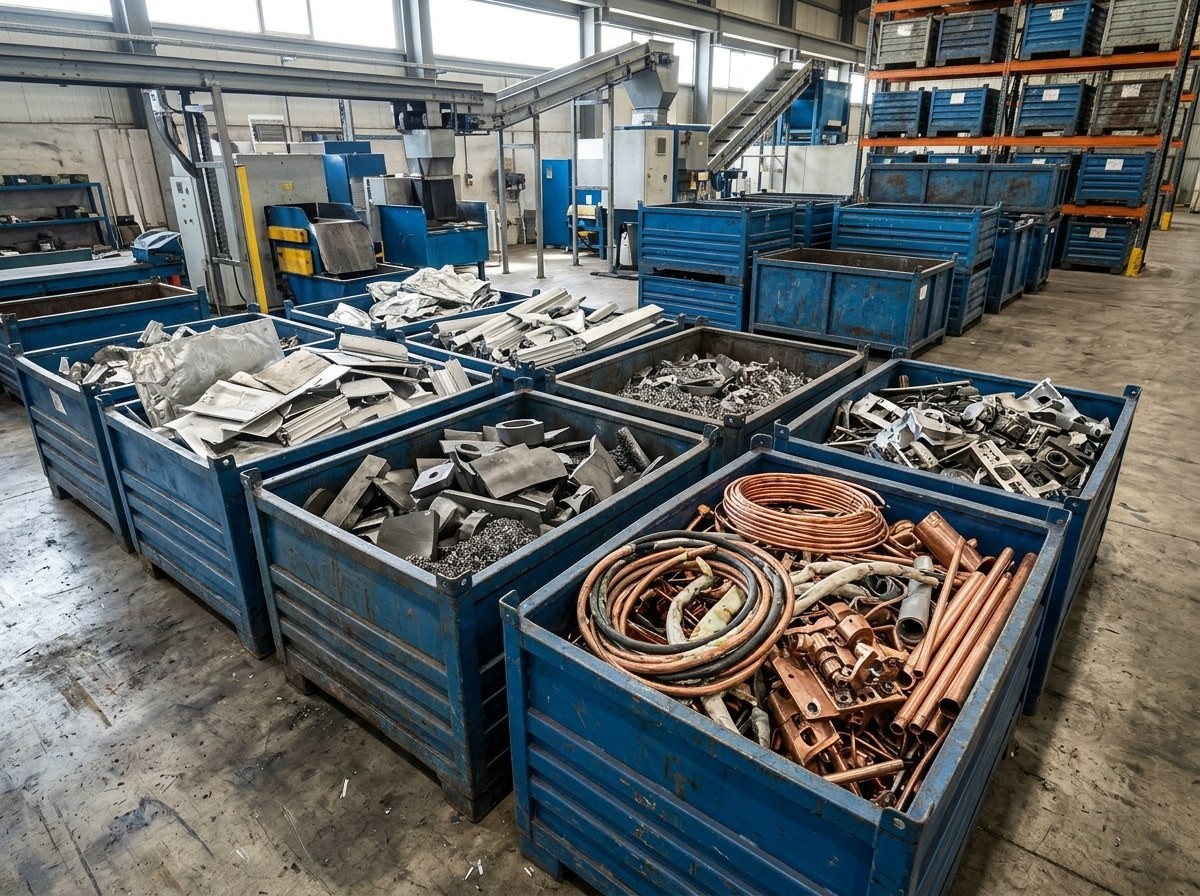
Interco evaluates aerospace scrap aluminum, titanium, copper-bearing material, and complex alloys according to their composition, physical form, and condition. Nonferrous scrap generally means scrap from metals other than iron-based materials, although attached steel and other materials can complicate a load.
Useful material categories to identify before requesting a quote include:
- Aluminum sheet, plate, extrusions, offcuts, and machining chips, with alloy numbers where available.
- Titanium parts and production scrap, kept identifiable by known grade or manufacturing record.
- Copper wire, tubing, and copper-bearing assemblies, described by insulation, attachments, and surface condition.
- Mixed metal components requiring further evaluation, dismantling, or separation before processing.
You do not need to guess an unfamiliar alloy. Tell Interco what is known, flag uncertain material, and provide clear photographs for an initial discussion.
Why should aerospace scrap aluminum stay separated by alloy?
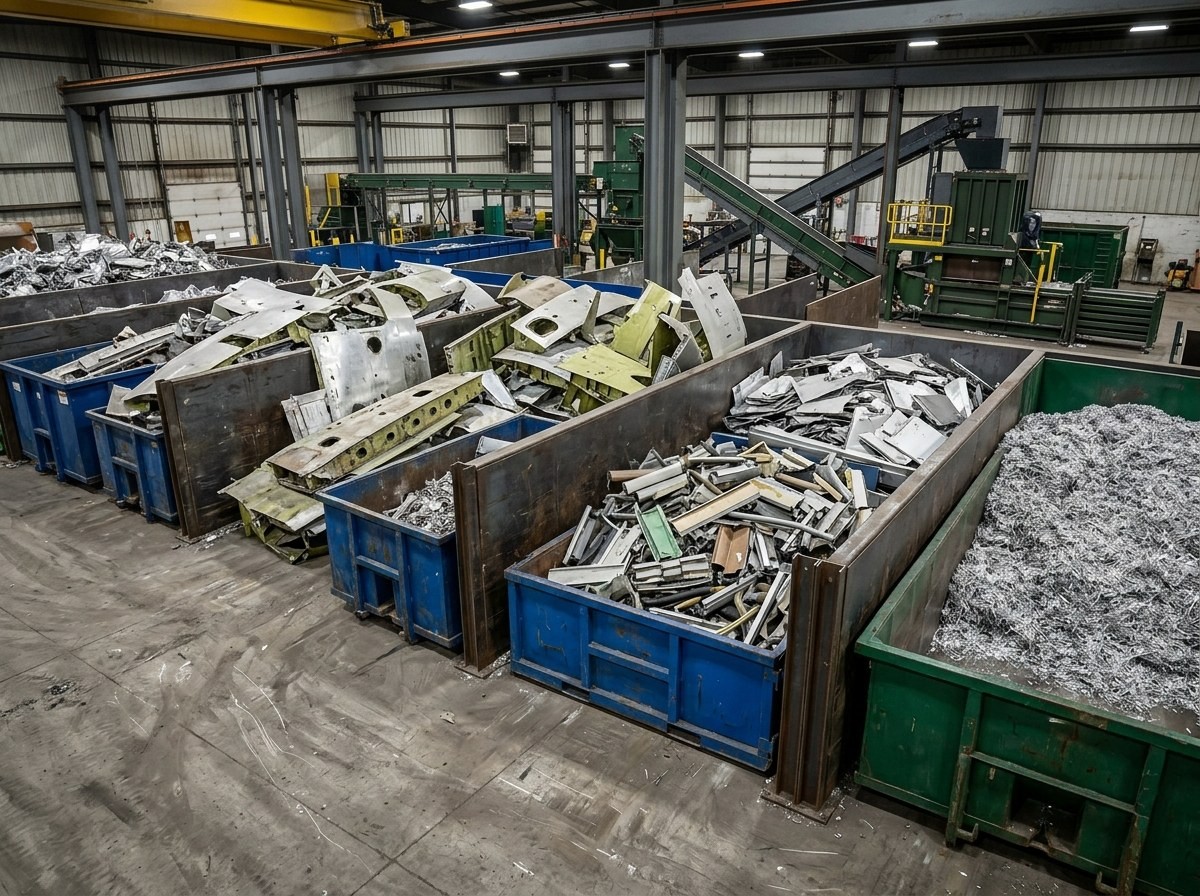
Keeping aerospace scrap aluminum separated by known alloy helps preserve useful composition information and supports more accurate evaluation. An alloy is a metal blended with other elements to achieve particular properties; different aluminum alloys should not automatically receive the same classification.
In its June 2017 report on the United States aluminum industry, the United States International Trade Commission cited industry estimates that aluminum represented about 80 percent of total weight, including interior components and the main body frame, in aircraft such as Boeing's 737. This historical estimate is not a measure of every aircraft design. The commission's aluminum industry report provides the context.
Interco's scrap aluminum recycling services evaluate alloy, form, coatings, contamination, and preparation level rather than assuming all aluminum has identical recovery value.
Can aerospace copper scrap qualify as #1 copper?
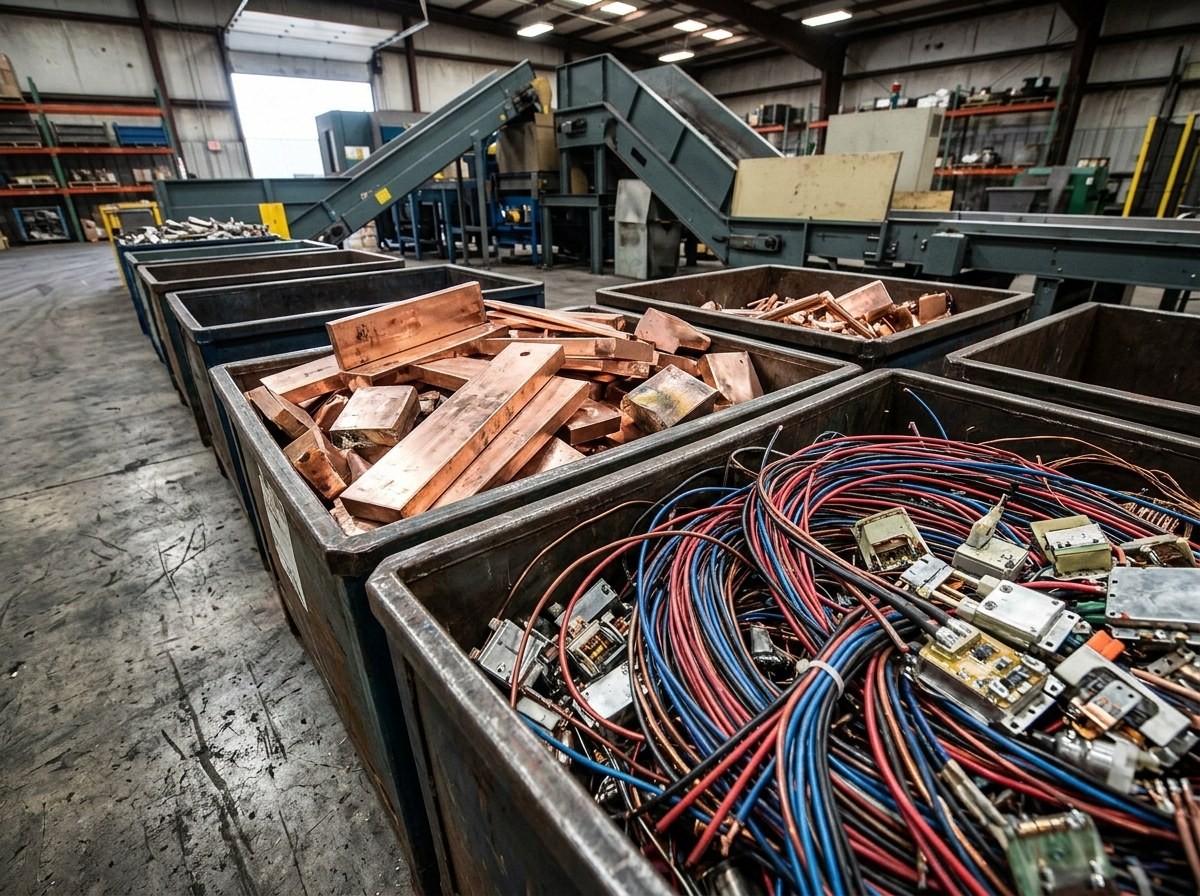
Aerospace copper scrap may qualify as #1 copper when its form, cleanliness, and composition meet the applicable buying specification. The source of the material alone does not determine its grade. Insulation, solder, coatings, and attached metals can change how a copper-bearing item is classified.
When describing a load, distinguish clean copper solids from insulated wire or assembled components. Include photographs of connections and surface treatments, and tell Interco whether the material has already been separated. Avoid removing unfamiliar coatings or dismantling components solely to pursue a grade without discussing the material first.
Interco's evaluation of scrap nonferrous metals considers the actual material received. A clear description helps Interco assess whether your copper belongs in a clean grade or requires a different processing route.
What should happen before retired aircraft parts enter a scrap load?
Retired aircraft parts should have their disposition requirements established before they enter a recycling shipment. Keep serviceable inventory separate from material designated for scrap, and involve your quality team when parts carry identification, service histories, or specific destruction requirements.
The Federal Aviation Administration's July 5, 1994 advisory circular states, "Mutilation should be accomplished in such a manner that the parts become unusable for their original intended use." Its guidance on unsalvageable aircraft parts explains the safety concern.
Discuss required handling, documentation, and any restrictions with Interco before arranging shipment. A metal recycling transaction does not itself establish that an aircraft part is eligible for reuse. Confirm the agreed scope in advance rather than assuming ordinary scrap processing satisfies every customer or aviation requirement.
How can you prepare aerospace scrap for an accurate quote?
You can support an accurate quote by documenting the material, its condition, and the practical details of moving it. Clear information helps Interco distinguish recoverable metal from attachments, packaging, moisture, and other factors that influence evaluation.
- Identify known metals and alloy numbers, keeping existing labels with the corresponding material.
- Estimate weight and describe whether the scrap consists of solids, chips, sheet, or assemblies.
- Photograph representative material, containers, coatings, and any visible mixed-metal attachments.
- Describe packaging, loading equipment, site access, and your preferred shipping window.
For recurring production scrap, explain how often material accumulates and whether its composition changes between batches. For a one-time cleanout, identify uncertain items separately. Request preparation instructions before combining containers or investing labor in additional sorting that may not be necessary.
Can you coordinate aerospace scrap shipments across the contiguous United States?
Yes, Interco is able to ship anywhere in the contiguous United States, with transportation planning matched to the material and shipment requirements. Interco's great logistics team coordinates material movement with receiving and processing needs rather than treating freight as an afterthought.
Aerospace scrap can present practical challenges: long sections, dense components, lightweight sheet, and containers of machining chips require different planning. Tell Interco the packaged dimensions, estimated weight, available loading equipment, and any appointment requirements before transportation is arranged.
Interco coordinates several freight formats, including truckload and less-than-truckload shipments. The latter means freight that occupies only part of a truck. Discuss your load with Interco so the transportation plan reflects its size, packaging, handling needs, and schedule before material leaves your site.
How do Interco's systems support your aerospace recycling quote and settlement?
Interco's proprietary enterprise resource planning (ERP) platform records material classifications, weights, processing stages, and settlement data to support an accountable recycling transaction. Settlement is the final accounting of the material purchased and its agreed value.
The ERP system helps organize information when a shipment contains several metal streams. That detail matters when scrap aluminum, copper, and specialty alloys require separate classifications rather than one broad description.
To begin a quote discussion, send Interco these details:
- Material descriptions, known alloy grades, estimated quantities, and representative photographs.
- Packaging details, shipment location, loading capabilities, and preferred timing.
- Any disposition instructions or documentation needs that require review before acceptance.
Request a quote for your next aerospace scrap shipment, and let Interco help establish a practical plan for evaluation, transportation, and nonferrous metals recycling.